

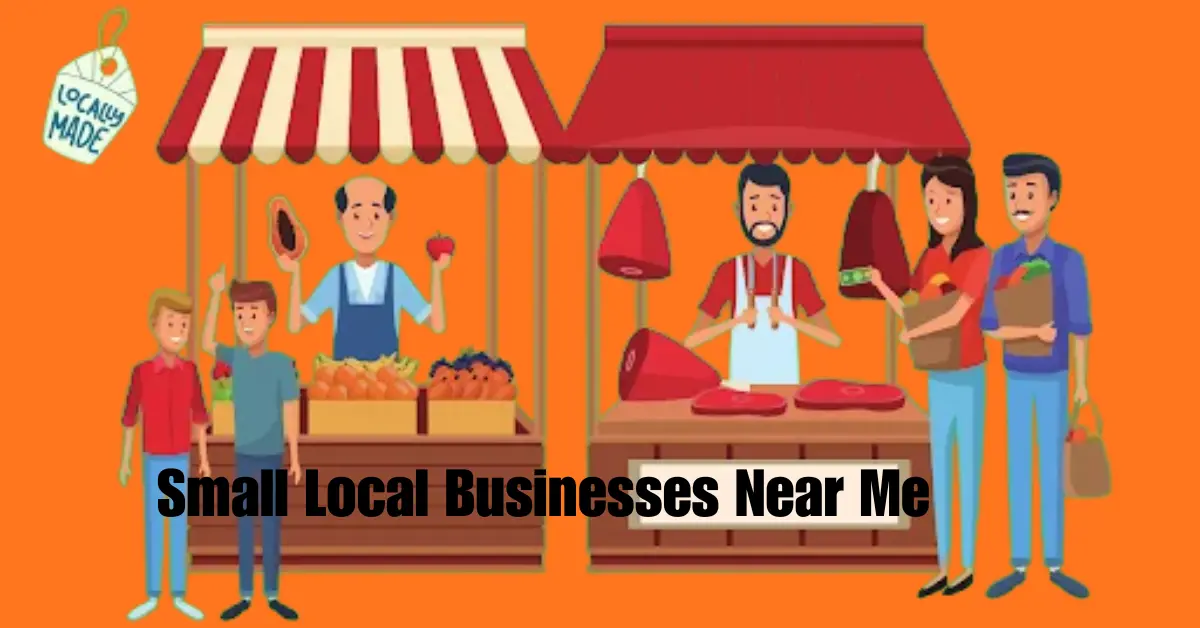
In today’s fast-paced digital world, the phrase “small local businesses near me” has become one of the most common searches people make. Whether someone is looking for a cozy café, a reliable tailor, a neighborhood grocery store, or a skilled repair service, small businesses remain at the heart of everyday life. They provide convenience, personal service, and a sense of community that large corporations often struggle to replicate.
This article explores why small local businesses matter, how to find them, how they impact communities, and why supporting them benefits everyone. It is written in a simple, human-friendly way so that anyone can understand the value and importance of local commerce.
The Meaning Behind “Small Local Businesses Near Me”
When people search for “small local businesses near me,” they are usually looking for services or products close to their location. But the phrase represents more than just convenience. It reflects a growing desire for authenticity, trust, and connection.
Small local businesses are independently owned shops, services, or providers that operate within a specific neighborhood or city. They are not large chains or franchises; instead, they are often run by individuals, families, or small teams who are deeply connected to their community.
These businesses can include:
- Small grocery stores and convenience shops
- Local bakeries and cafés
- Tailoring and clothing repair shops
- Barber shops and salons
- Hardware stores
- Repair services for electronics, cars, or appliances
- Small restaurants and food stalls
- Bookstores and gift shops
Each of these plays a role in making neighborhoods livable and vibrant.
Why Small Local Businesses Matter
Small businesses are more than just places to buy goods or services. They form the backbone of local economies and contribute significantly to community life.
1. They Support the Local Economy
When you spend money at a small local business, most of that money stays within the community. It pays local employees, supports other nearby businesses, and often circulates within the same area. This creates a stronger and more resilient local economy compared to spending at large multinational chains, where profits are often sent elsewhere.
2. They Create Jobs
Small businesses are one of the largest sources of employment worldwide. From shopkeepers to delivery staff, from technicians to chefs, these businesses provide job opportunities for people living nearby. These jobs often feel more personal and flexible compared to corporate environments.
3. They Offer Personalized Service
One of the biggest advantages of small local businesses is the personal touch. Owners often know their customers by name, remember their preferences, and offer tailored services. This creates a sense of trust and familiarity that enhances the customer experience.
4. They Strengthen Communities
Small businesses help build stronger communities. They become gathering places where people meet, talk, and share experiences. A local café or bakery can become a social hub where friendships form and community bonds grow.
5. They Encourage Entrepreneurship
Every small business represents a dream. Supporting them encourages more people to take the risk of starting their own ventures. This leads to innovation, creativity, and diversity in products and services available in the market.
How to Find Small Local Businesses Near You
Finding small local businesses is easier today than ever before, but it still requires a bit of awareness and curiosity. Here are some practical ways to discover them.
1. Walk Around Your Neighborhood
One of the simplest ways to find small businesses is to explore your surroundings on foot. Many hidden gems are located just a few streets away from major roads. Walking helps you notice shops you might otherwise miss while driving.
2. Ask Locals
Neighbors, friends, and family members often know the best local spots. Asking around can help you discover trusted businesses that may not even appear online.
3. Use Social Media
Many small businesses now use social media platforms to promote their services. Searching location-based hashtags or community groups can lead you to interesting places nearby.
4. Look for Local Markets
Weekly or monthly markets are great places to find small vendors and independent sellers. These markets often feature handmade goods, fresh produce, and unique products.
5. Observe Small Signboards and Streets
Small businesses often rely on physical visibility rather than digital advertising. Paying attention to signboards and side streets can reveal hidden shops and services.
The Role of Trust in Small Local Businesses
Trust is one of the most important factors in choosing where to shop or get services. Small local businesses often build stronger trust relationships with their customers compared to larger corporations.
This trust is built over time through:
- Consistent service quality
- Honest pricing
- Friendly interactions
- Accountability for mistakes
When a business owner personally interacts with customers, they are more likely to ensure satisfaction and maintain a good reputation. This human connection is what makes local businesses special.
Challenges Faced by Small Local Businesses
Despite their importance, small businesses face many challenges in today’s competitive environment.
1. Competition from Large Chains
Big companies often have more resources, better marketing, and lower prices due to mass production. This can make it difficult for small businesses to compete.
2. Rising Costs
Rent, utilities, and raw material costs continue to rise in many cities. Small business owners often struggle to manage expenses while keeping prices affordable for customers.
3. Limited Online Presence
In a digital world, visibility is crucial. Many small businesses lack the skills or resources to build strong online marketing strategies, which limits their reach.
4. Changing Consumer Habits
With the growth of online shopping and delivery services, many people prefer convenience over visiting physical stores. This shift affects local foot traffic.
5. Financial Constraints
Access to funding or loans can be difficult for small business owners. Without financial support, expanding or upgrading services becomes challenging.
How Technology is Helping Small Businesses
While technology has created challenges, it has also opened new opportunities for small businesses.
1. Online Visibility
Many small businesses now use digital platforms to reach customers. Even a simple online listing can help people searching for “small local businesses near me” discover them.
2. Mobile Payments
Digital payment systems have made transactions easier and more secure. Customers no longer need to carry cash, and businesses can track sales efficiently.
3. Social Media Marketing
Platforms like Instagram and Facebook allow businesses to showcase their products, share updates, and engage with customers directly.
4. Delivery Services
Third-party delivery apps have expanded the reach of small restaurants and shops, allowing them to serve customers beyond their immediate location.
5. Online Reviews
Customer reviews help build reputation and trust. Positive feedback can significantly increase a business’s visibility and credibility.
Why People Prefer Small Local Businesses
Even with global brands everywhere, many people still prefer small local businesses. The reasons are deeply emotional as well as practical.
1. Human Connection
People enjoy being recognized and treated as individuals rather than just customers.
2. Unique Products
Local businesses often offer handmade, customized, or locally sourced products that cannot be found elsewhere.
3. Better Customer Care
Because owners are directly involved, they tend to care more about customer satisfaction.
4. Community Pride
Supporting local businesses gives people a sense of pride and belonging.
5. Flexibility
Small businesses are often more flexible in pricing, customization, and service delivery.
The Economic Impact of Supporting Local Businesses
When communities actively support small businesses, the economic benefits are significant. Money spent locally tends to circulate within the community multiple times. This leads to:
- Increased job opportunities
- Higher local income levels
- Better infrastructure development
- Stronger neighborhood stability
In contrast, spending only at large chains often results in money leaving the local economy.
The Emotional Value of Local Businesses
Beyond economics, small businesses hold emotional importance. They are part of people’s daily routines and memories. A childhood bakery, a favorite barber shop, or a neighborhood grocery store can hold sentimental value that lasts for years.
These businesses often witness life events such as birthdays, celebrations, and milestones. This emotional connection is something that cannot easily be replaced.
How You Can Support Small Local Businesses Near You
Supporting local businesses does not require large effort. Small actions can make a big difference.
1. Buy Locally When Possible
Choose nearby stores over distant or online alternatives when convenient.
2. Recommend Them to Others
Word-of-mouth is powerful. Sharing your positive experiences helps businesses grow.
3. Leave Positive Feedback
Online reviews or simple appreciation can boost their reputation.
4. Be a Regular Customer
Consistency helps businesses survive and plan better.
5. Be Patient and Understanding
Small businesses may not always have the speed or resources of large corporations, but they often make up for it with care and effort.
The Future of Small Local Businesses
The future of small businesses is evolving. While challenges exist, opportunities are growing as well. With increasing awareness about sustainability, community support, and ethical consumption, more people are turning back to local businesses.
Hybrid models combining physical stores with online presence are becoming more common. Businesses that adapt to technology while maintaining personal service are likely to thrive.
Communities are also becoming more conscious of the importance of keeping money local. This shift in mindset may help small businesses grow stronger in the coming years.
Conclusion
The phrase “small local businesses near me” is more than a search query—it represents a lifestyle choice and a way of supporting communities. Small businesses bring convenience, trust, and personality into everyday life. They create jobs, strengthen local economies, and build meaningful human connections.
By choosing to support them, individuals contribute not only to their own convenience but also to the overall well-being of their neighborhoods. Whether it is a small café, a local tailor, or a family-run store, every small business plays a part in shaping the identity of a community.
In a world that is becoming increasingly digital and global, small local businesses remind us of something important: real human connection still matters.
