

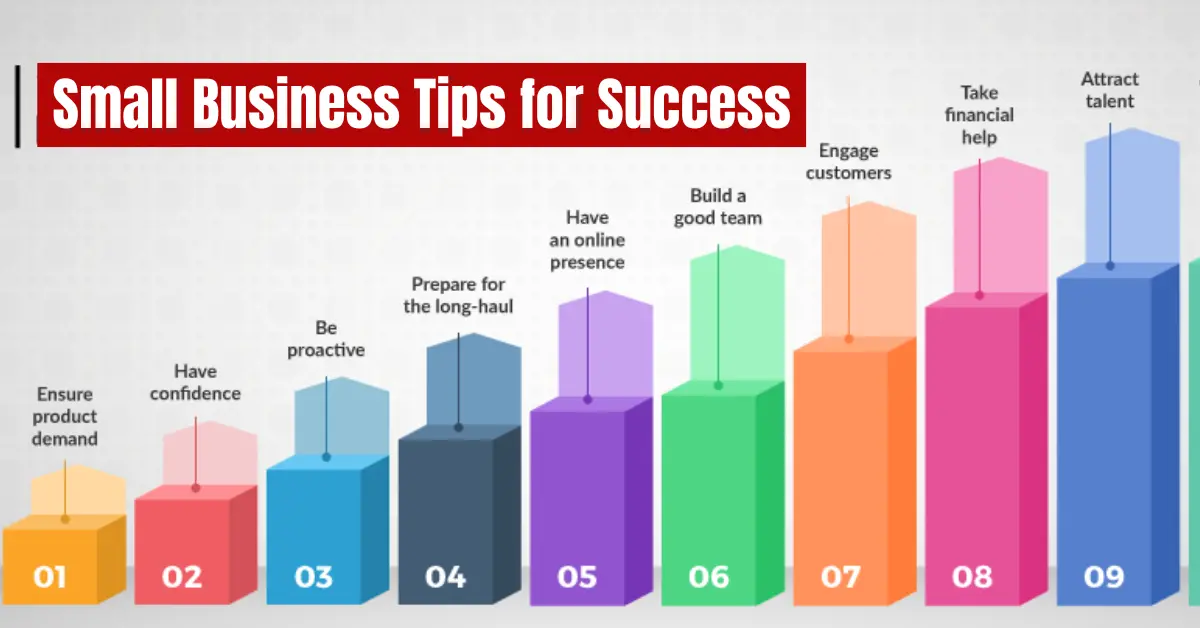
Starting and growing a small business is both exciting and challenging. Many entrepreneurs begin with a strong idea, plenty of passion, and dreams of financial freedom. However, passion alone is not enough to build a successful company. Running a business requires planning, discipline, adaptability, and a deep understanding of customers and market trends.
Small businesses play a major role in the global economy. They create jobs, encourage innovation, and strengthen local communities. Yet many small businesses struggle during their first few years because of poor planning, weak marketing, cash flow issues, or a lack of long-term strategy.
The good news is that success is achievable when business owners focus on the right habits and decisions. Whether you are launching a new startup or trying to improve an existing company, understanding the core principles of business growth can make a huge difference.
This article explores practical and effective small business tips for success that can help entrepreneurs build stronger, more profitable, and sustainable businesses.
Start With a Clear Business Plan
Every successful business begins with a solid plan. A business plan acts as a roadmap that guides your decisions and helps you stay focused on your goals.
Your business plan should include:
- Your business mission and vision
- Target audience
- Products or services
- Pricing strategy
- Marketing plan
- Financial projections
- Growth goals
A clear plan helps you identify opportunities and avoid unnecessary risks. It also becomes essential if you need investors, business loans, or partnerships.
Many entrepreneurs skip this step because they want to start quickly. However, taking the time to plan carefully can save money, reduce confusion, and improve long-term results.
Understand Your Target Audience
One of the biggest mistakes small business owners make is trying to sell to everyone. Successful businesses focus on a specific audience and understand their needs deeply.
Ask yourself:
- Who are your ideal customers?
- What problems do they face?
- What solutions are they searching for?
- How can your business improve their lives?
When you understand your audience, you can create better products, stronger marketing campaigns, and more meaningful customer relationships.
Spend time researching customer behavior, preferences, and feedback. Use surveys, social media comments, reviews, and direct conversations to gather insights.
The better you know your customers, the easier it becomes to serve them effectively.
Focus on Excellent Customer Service
Customer service can make or break a small business. Large corporations may compete on price, but small businesses often succeed because of personal relationships and outstanding service.
Customers remember businesses that treat them with respect, respond quickly, and solve problems efficiently.
Here are a few ways to improve customer service:
- Respond to messages promptly
- Listen carefully to customer concerns
- Be polite and professional
- Offer personalized experiences
- Follow up after purchases
- Handle complaints calmly
Happy customers often become loyal supporters who recommend your business to others. Word-of-mouth marketing remains one of the most powerful tools for small business growth.
Manage Your Finances Carefully
Poor financial management is one of the leading causes of business failure. Even profitable businesses can struggle if cash flow is not handled properly.
Track every expense and monitor income regularly. Create a budget and stick to it as closely as possible.
Important financial practices include:
- Separating personal and business finances
- Monitoring cash flow weekly
- Reducing unnecessary expenses
- Saving emergency funds
- Paying taxes on time
- Reviewing financial reports regularly
Consider using accounting software or hiring a professional accountant if needed. Accurate financial records help you make smarter decisions and avoid costly mistakes.
Remember that revenue is not the same as profit. Focus on maintaining healthy profit margins rather than simply increasing sales numbers.
Build a Strong Online Presence
In today’s digital world, customers often search online before making buying decisions. Even local businesses need a professional online presence to remain competitive.
At a minimum, your business should have:
- A professional website
- Active social media accounts
- Accurate contact information
- Customer reviews
- Clear product or service descriptions
Your website should be easy to navigate, mobile-friendly, and fast-loading. Customers may leave quickly if they cannot find the information they need.
Social media platforms also provide opportunities to connect with customers, share updates, and build trust. Consistent posting and engagement can help your brand stay visible.
Search engine optimization (SEO) is another valuable strategy. Optimizing your content with keywords like “small business tips for success” can improve your visibility in search results and attract more visitors.
Invest in Marketing
Many small businesses struggle because potential customers simply do not know they exist. Effective marketing helps attract attention, generate leads, and increase sales.
You do not always need a massive budget to market successfully. Small businesses can use affordable methods such as:
- Content marketing
- Social media marketing
- Email campaigns
- Referral programs
- Local partnerships
- Networking events
- Video marketing
Consistency is key. Marketing should not be something you do only when sales are slow. Ongoing promotion helps maintain steady business growth.
Track your marketing performance to see which strategies produce the best results. Focus your time and budget on methods that bring measurable returns.
Learn to Adapt to Change
Markets, technology, and customer expectations constantly evolve. Businesses that refuse to adapt often fall behind competitors.
Successful entrepreneurs stay flexible and open-minded. They monitor trends, study industry changes, and adjust strategies when necessary.
For example, businesses that embraced online shopping and digital services during major economic shifts were better prepared to survive challenges.
Adaptability may involve:
- Updating products or services
- Changing pricing strategies
- Exploring new marketing channels
- Using new technology
- Improving operational efficiency
Being adaptable does not mean abandoning your vision. It means finding smarter ways to achieve your goals in changing conditions.
Build a Reliable Team
No business owner can do everything alone forever. As your business grows, building the right team becomes essential.
Hire people who share your values, work ethic, and commitment to customer satisfaction.
A strong team can:
- Increase productivity
- Improve customer experiences
- Bring fresh ideas
- Reduce stress for the owner
- Support long-term growth
Provide proper training and encourage open communication. Employees perform better when they feel respected and valued.
Even if your business is small, investing in positive workplace culture can lead to better retention and stronger performance.
Set Realistic Goals
Clear and realistic goals help businesses stay organized and motivated. Without goals, it becomes difficult to measure progress or identify success.
Your goals should be:
- Specific
- Measurable
- Achievable
- Relevant
- Time-based
For example, instead of saying, “I want more sales,” create a goal like, “Increase monthly sales by 15% within six months.”
Break larger goals into smaller steps. Achieving small milestones builds confidence and momentum.
Review your goals regularly and adjust them when necessary. Business growth is rarely a straight line, so flexibility is important.
Prioritize Time Management
Time is one of the most valuable resources for small business owners. Poor time management can reduce productivity and increase stress.
To manage time effectively:
- Create daily schedules
- Prioritize important tasks
- Avoid unnecessary distractions
- Delegate when possible
- Use productivity tools
- Set deadlines
Many entrepreneurs spend too much time on minor tasks instead of focusing on activities that generate growth.
Identify the tasks that have the biggest impact on your business and give them priority attention.
Keep Learning and Improving
The most successful entrepreneurs never stop learning. Business environments change rapidly, and continuous education helps owners stay competitive.
You can improve your knowledge by:
- Reading business books
- Taking online courses
- Attending workshops
- Listening to podcasts
- Following industry leaders
- Joining business communities
Learning from both successes and failures is essential. Every challenge provides valuable experience that can strengthen your future decisions.
A growth mindset allows entrepreneurs to improve continuously instead of becoming complacent.
Build Strong Customer Relationships
Long-term success often depends on customer loyalty rather than one-time purchases.
Customers appreciate businesses that genuinely care about their needs. Building trust takes time, but it creates lasting value.
Ways to strengthen customer relationships include:
- Offering loyalty rewards
- Personalizing communication
- Asking for feedback
- Showing appreciation
- Providing consistent quality
Retaining existing customers is usually more cost-effective than constantly finding new ones.
Strong relationships also increase the likelihood of referrals and positive online reviews.
Monitor Your Competition
Understanding competitors can help you identify opportunities and improve your strategies.
Study businesses in your industry and analyze:
- Their strengths
- Their weaknesses
- Pricing models
- Marketing techniques
- Customer engagement methods
The goal is not to copy competitors but to learn from the market.
Look for gaps that your business can fill more effectively. Offering unique value can help your business stand out in crowded industries.
Maintain Consistency
Consistency builds trust and professionalism. Customers prefer businesses they can rely on.
Consistency should apply to:
- Product quality
- Customer service
- Branding
- Marketing messages
- Delivery times
Inconsistent experiences can confuse customers and damage your reputation.
Create systems and processes that help maintain standards as your business grows.
Embrace Technology
Technology can help small businesses operate more efficiently and compete with larger companies.
Useful tools may include:
- Accounting software
- Customer relationship management systems
- Project management platforms
- Email marketing tools
- E-commerce platforms
- Automation software
Technology can save time, reduce errors, and improve communication.
However, choose tools carefully. Investing in technology should support your business goals rather than create unnecessary complexity.
Develop a Strong Brand Identity
A strong brand helps customers remember and trust your business.
Your brand includes:
- Business name
- Logo
- Colors and design
- Tone of communication
- Company values
- Customer experience
Branding is more than visuals. It represents how customers feel when they interact with your business.
Consistency in branding creates recognition and professionalism.
Small businesses with strong brands often compete successfully even in highly competitive markets.
Prepare for Challenges
Every business faces setbacks. Economic downturns, unexpected expenses, supply chain issues, and market competition are common challenges.
Preparation can reduce the impact of difficult situations.
Consider these strategies:
- Build emergency savings
- Diversify income sources
- Maintain insurance coverage
- Create backup plans
- Monitor financial health closely
Resilience is one of the most important qualities for entrepreneurs.
Businesses that survive challenges often emerge stronger and more experienced.
Network With Other Professionals
Networking opens doors to new opportunities, partnerships, and valuable advice.
Building relationships with other entrepreneurs can provide:
- Business referrals
- Industry insights
- Mentorship
- Collaboration opportunities
- Emotional support
Attend local business events, join online communities, and participate in professional groups.
Strong professional connections can accelerate business growth and help solve problems more effectively.
Pay Attention to Customer Feedback
Customer feedback provides direct insight into what your business is doing well and what needs improvement.
Encourage customers to share opinions through:
- Surveys
- Reviews
- Social media comments
- Email responses
- Direct conversations
Listen carefully without becoming defensive.
Constructive criticism can reveal opportunities to improve products, services, or customer experiences.
Businesses that respond positively to feedback often build stronger trust and loyalty.
Avoid Trying to Grow Too Fast
Growth is exciting, but expanding too quickly can create serious problems.
Rapid growth may lead to:
- Cash flow shortages
- Poor customer service
- Employee burnout
- Operational confusion
Sustainable growth is usually healthier than aggressive expansion.
Focus on building strong systems and maintaining quality before scaling your operations significantly.
Steady progress often creates stronger long-term success than rushed growth.
Protect Your Reputation
Reputation is one of the most valuable assets for any small business.
Negative reviews or poor customer experiences can spread quickly, especially online.
Protect your reputation by:
- Delivering on promises
- Communicating honestly
- Resolving problems quickly
- Maintaining professionalism
- Treating customers fairly
Trust takes time to build but can be damaged very quickly.
A positive reputation increases customer confidence and strengthens your brand image.
Stay Passionate but Practical
Passion is important because it motivates entrepreneurs during difficult times. However, successful business owners also make practical decisions based on facts and data.
Balance creativity with careful planning.
Avoid making emotional decisions about pricing, hiring, or investments. Instead, use research and financial analysis to guide important choices.
Passion helps businesses stand out, but discipline and strategy keep them sustainable.
Understand the Importance of Patience
Business success rarely happens overnight. Many successful companies took years to become profitable and well-known.
Patience allows entrepreneurs to:
- Build strong foundations
- Improve gradually
- Learn from mistakes
- Develop customer trust
- Refine strategies
Do not become discouraged by slow progress. Consistent effort often produces impressive long-term results.
Focus on continuous improvement rather than instant success.
Conclusion
Running a successful small business requires more than just a good idea. It demands dedication, smart planning, adaptability, and strong relationships with customers and employees.
Entrepreneurs who focus on customer satisfaction, financial management, effective marketing, and continuous learning place themselves in a stronger position for long-term success.
The journey of building a business can be challenging, but it is also rewarding. Every lesson learned and every obstacle overcome contributes to personal and professional growth.
By applying these small business tips for success, entrepreneurs can improve their chances of creating businesses that are profitable, resilient, and respected in their industries.
